NIL, otherwise known as Name, Image, and Likeness, officially became legalized in the United States in July, 2021. Fast-forward five years later there are still constant changes and opinions floating around one of the biggest changes in college sports. Many people whether they are former athletes, current coaches, or working in compliance are impacted by NIL and have opinions on the hot topic that is NIL.
Dylan Hoy
Dylan Hoy, is a former middle infielder from Marist University where he spent the first four seasons of his collegiate career. At Marist, he had a career batting average of .261, six home runs, and 65 RBI’s.
Hoy’s time at Marist ran from 2020-2023 therefore his first two seasons at Marist, NIL did not exist. The last two years, Marist did not really get involved with NIL.
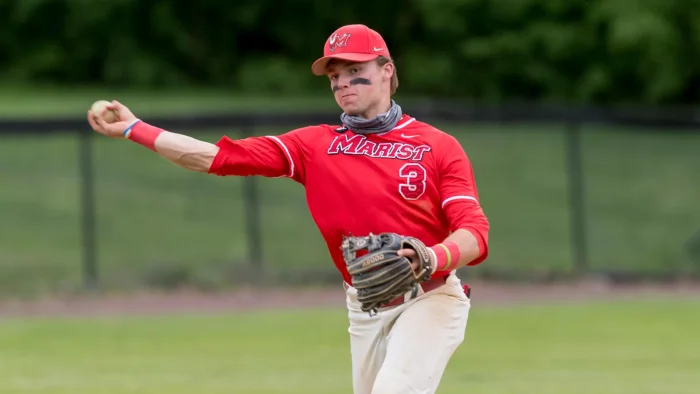
Image – Marist Athletics
After a successful career at Marist, he transferred to the University of Louisville. In his lone season at Louisville, he hit .317, five home runs and 30 RBI’s. At Louisville, that was where Hoy got to tap into this new world of college sports and earn NIL deals.
NIL, Player to Coach
Hoy has gotten to experience NIL now both from a player and coach’s perspective.
NIL’s Impact on Conference Gap According To Hoy
“You’re always going to have differentiated values for each player. I think some players should get more than others, but it shouldn’t be allowed to get $5 million versus $100,000. If we capped it at, hey, the most the player can make is a hundred grand per year. I think that’d be fair because you’re starting to see these programs with X amount of donors, just because more people like their program, right. You work for certain things and some places have different fans, but I think that just creates such a distinct barrier between each program. Like people are talking about, oh, you know, ACC is different than SEC, SEC is different than the MAAC. But especially now, like with the whole NIL situation, it’s definitely, you’re seeing a difference.
Scott MacDonald San Jose State
Scott MacDonald is the
“I wish we had NIL when I was a student athlete so I think it’s great. I think it provides an opportunity not just for student athletes to earn money off their name image and likeness but also to learn, like real skills and taxes. One of the things we do know when our Beyond Spartans program which is our life skills program here at San Jose State, we provide that information and that education to our students. Like your earning money and you’ll be paying taxes on it and here we have institutions that come in and talk about Investments and saving and how to prepare for taxes. I think it’s really added to what we provide for student athletes because taxes isn’t something we would ever have but in a life skills program before.”
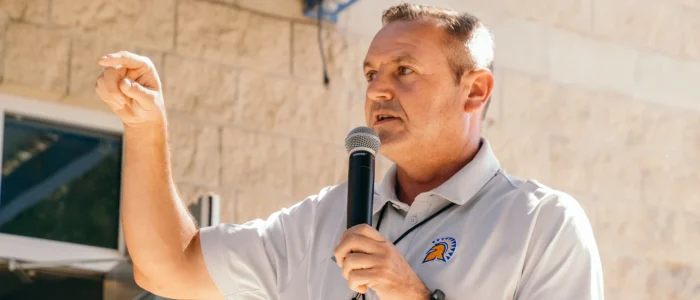
Image – San Jose Spartans
Amy Hughes Georgia Southern
Unlike Hoy and MacDonald, Amy Hughes was not a former collegiate athlete. She is currently the Director of Athlete Brand Management and Licensing at Georgia Southern. NIL created her job of where she is today.
“So in 2022, I moved into athletics and assumed, you know, both roles, basically. I didn’t know anything about NIL, you know, but I, had taught on college campuses. So, our athletic director and COO of athletics, they just really thought that I could jump in and, you know, help build this program. It was a quickly built program and it’s been evolving ever since. So, it’s changed in a way that, obviously, I’m more focused on what’s happening in the NIL landscape. I’m very into tune with, you know, all of the NCAA stuff that’s happening, and I work closely with our compliance, folks. Um, but it’s been really fun and exciting. You know, it’s a new way to connect with our student athletes, so I really enjoyed it.”
Hughes Opinion on NIL
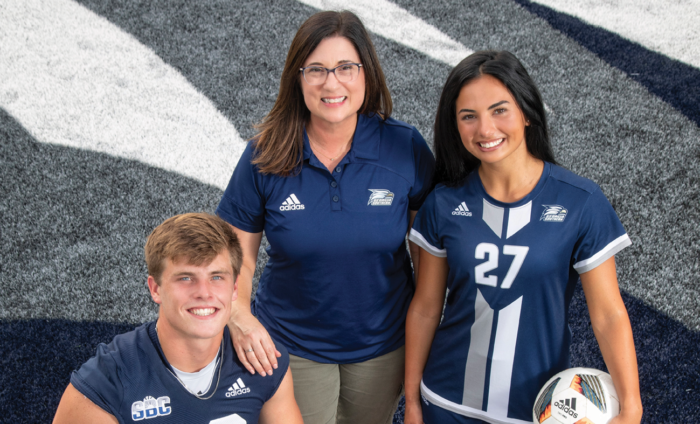
Image – Georgia Trend Magazine
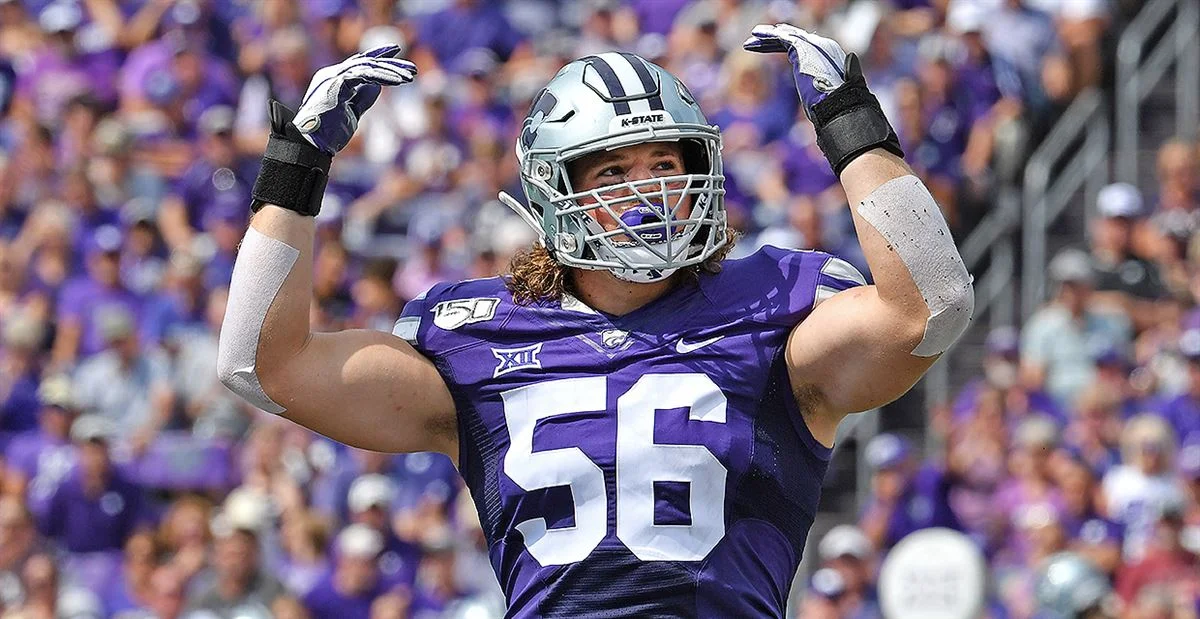
Jace Friesen Kansas State
“You know, there was a lot of collectives that originally started up when NIL became a thing and you’d see four or five collectives at one institution. And the only problem with that is is it created a lot of donor confusion. You didn’t know where to give, who to give to. And then also on top of that, there’s really no way to track to see what student athletes were getting paid. You know, you might have had a top student athlete at one institution getting paid from four different collectives, and you’d have the number two on the roster, not be getting, you know, anything in theory because there’s no communication. So you know, NIL has created this ecosystem. groups that have allowed for revenue share for student athletes and institutions to kind of get on the same page and really help your student athletes in a cohesive ecosystem.”
“I think it’s impacted in a lot of ways. and personally, from my experience, I would say from a student athlete’s perspective for the better. you know, there’s. There’s negatives. There’s pros and cons to everything. You know, you see some of the outliers or kids transferring, turning, you know, keeping away from the pay for play. But I think longevity, at least at Kansas State, it’s given kids or student athletes, the opportunity to become financially secure or start learning about the real world. We did financial literacy classes. We did, you know, we helped out with taxes, we provide student athletes with resources for investing.”
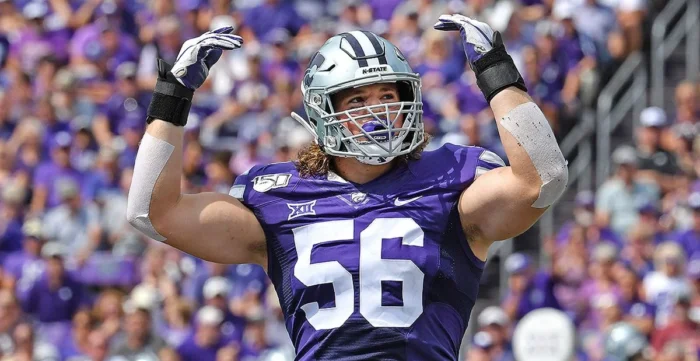
Image – 247 Sports
“I think that without NIL, some of those initiatives and programs wouldn’t be in place, at least again at Kansas State. It’s stuff that I wish I would have gotten in a more detailed level while I was at Kansas State. But it’s provided, I think, more literacy and benefits at Kansas State for sure.”
“Now, I’m not sure what the case is with revenue sharing. I wouldn’t be surprised if every institution pretty much every student athlete isn’t getting some cut. Walk-ons you’d be surprised, a lot of businesses will reach out wanting to do work with specific athletes. Or they’ll want to do the doings with like an art case. We have a lot of Kansas student athletes and typically some of those student athletes are walk-ons. Kansas business would like to work with of kids. And so a lot of times you’ll actually see the walk-ons, getting a good amount of deals as well. We help them position themselves through social media training, just how it position themselves in social media, get more followers, more eyes. You know, we don’t trade it any different than a deal for our starting point guard or our starting quarterback. You know, this deal is just kind of trickle in by just naturally, and they all kind of trickle down through throughout that process.”
Summary
There are many strong opinions about NIL. Although most of the opinions are positive, there is a clear need changed need to be made to the processes within the NIL. Be on the lookout for the next article on this series as we keep exploring the coaches and players that make up the NIL!
The next article will hear from people about how NIL is directly impacting college sports.
Latest Article
To check out my latest article, click here.
*******************************************************

Featured Articles





Featured Writers