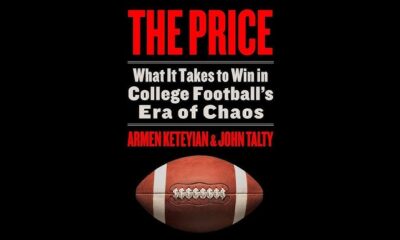
Since NIL was introduced in July 2021, college sports has not been the same. Recruiting, both from the athletes and coaching staff, have been different. Recruiting directors and coaches have had to work differently than before to recruit kids, as well as opening up checkbooks. Yet, NIL has also created jobs for many institutions, especially at the Division I level, and even more prevalent, at the Power Four level.
Ty Singletary
Ty Singletary is the Associate Athletic Director, Compliance & Cap Management at South Alabama.
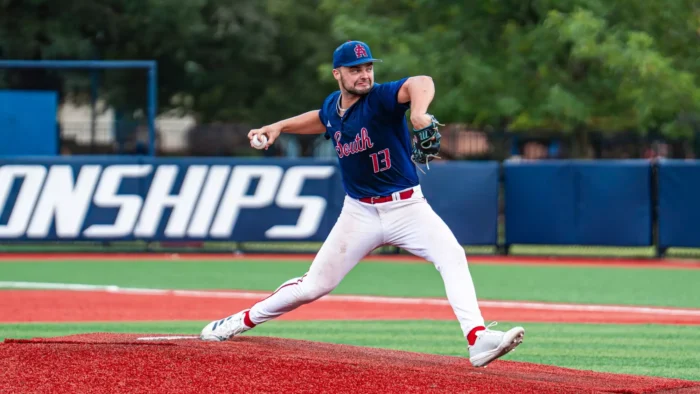
Image – University of South Alabama Athletics
“How can schools route university funds into collectives and hands but pre house settlement. I think it was who got the most money, right? And you could build out a team based on who has the most money. Now, with a cap and hopefully some cap circumvention restrictions applied, there will be some more parity. Hopefully some more parody at our level, but it’s forced to happen that people who traditionally have been really good at NCAA Division III, Division II, are having Division 1 opportunities because they come with less expensive needs.
So if you go out and get a point guard from Division II, he or she is going to cost significantly less than trying to go get somebody out of a DI mid-major. They’ve been really good at our level or playing time if they hadn’t been as good at the P4 level. And so there’s been this transmission of student athletes to and from these institutions. We’ve lost in all kinds of linemen, some to Georgia, but we ended up getting two transfers from Georgia Tech.”
Ty Singletary Continued
Ty is right with the schools that have the most money can build the best rosters. Heading into the 2025 college football season, the Texas Longhorns, Ohio State Buckeyes, LSU Tigers, Georgia Bulldogs, and Texas A&M Aggies were the highest in terms of NIL Collective dollars each over $17 million dollars just for football. He also mentioned how, in the SEC it has elevated other programs and in the last few years everybody has beaten up on everybody sort of speak. Alabama’s road victory against Georgia, was the Bulldogs first loss at home since 2019.
Singletary also interestingly pointed out, how some mid-major programs benefit and strategically use the limited resources that they have to build their roster and compete. They will target athletes at the DII level that are ready to make the next jump. The benefit that way is the fact that they will be more cost effective.
On the other hand, they still will go after top talent at bigger schools that are not getting enough playing time. As mentioned earlier, South Alabama landed two transfers from Georgia Tech.
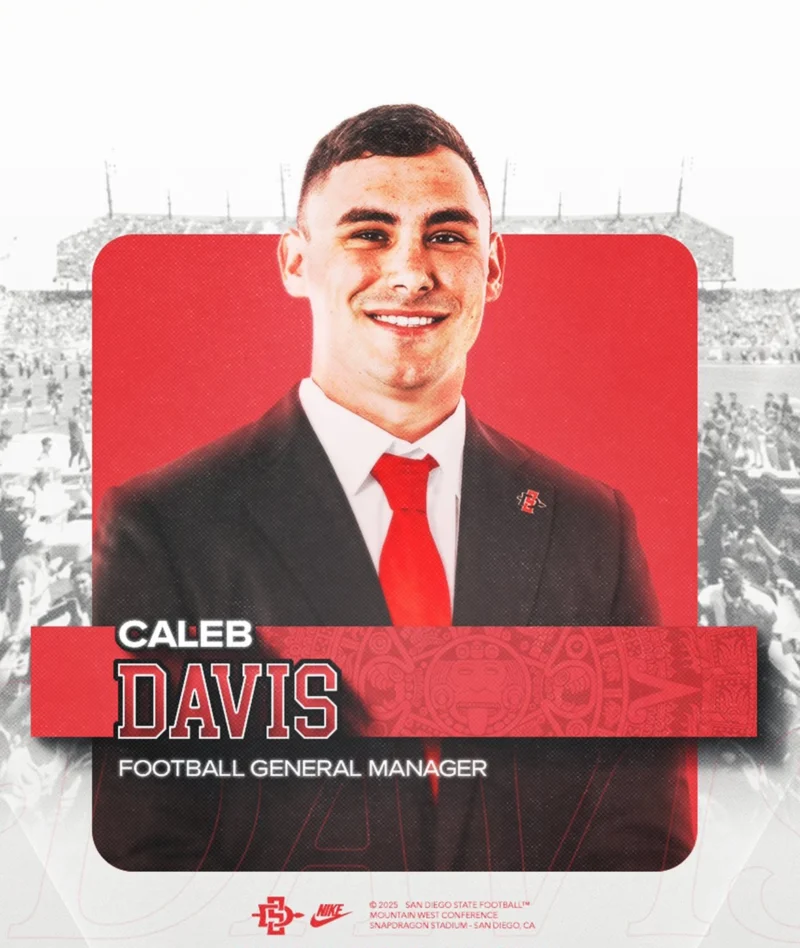
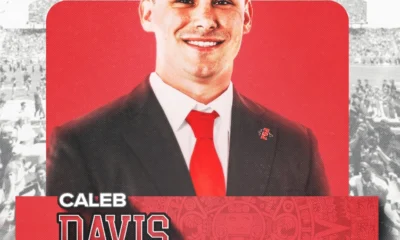
Caleb Davis
Caleb Davis is the General Manager of the San Diego State Aztecs football team.
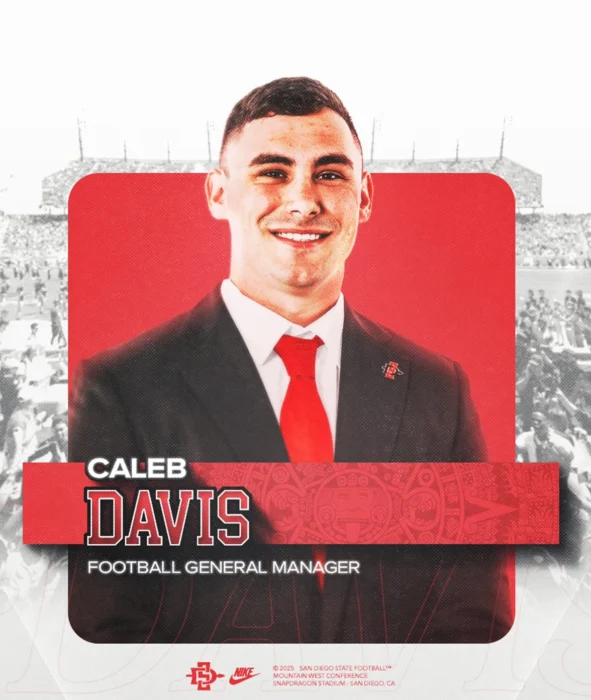
Image – San Diego Aztecs
“NIL affects the sport by amplifying the need for innovation. Like, the athletic programs and the people in place that are innovative, that are forward thinking, that are go getters are going to exceed in the space. The way I look at almost anything in life is there’s always a way. Like, don’t go attack a problem with a yes or no mindset. Go attack it with, okay, what’s the path? So for us, like, my thought is, there is a path for San Diego State to make the college football playoffs. Now with that’s going to the PAC-12 next year, if we win the PAC-12, we’ve got a path to the playoffs.
We just have to put the roster and the people in place and the budget in place to be able to do it. So I’m always looking for a new innovative approaches to where, no, we’re not going to have the budget of a Notre Dame or USC. But, we can be creative to keep our guys in and identify new guys that help us raise the floor. cause we don’t have to beat those programs. We have to beat our direct competition, and if we do, we’ve got the path.”
Davis’ perspective was very interesting and unique. But, he is also right. As a current member of the Mountain West and future member of the PAC-12, the Aztecs do not need to compete with local big time programs such as USC, UCLA, and Washington. As long as they can be the best team in their conference and recruit the best within their conference, they have the path to be in the College Football Playoffs.
Rick Perko
Rick Perko used to be the Vice President of The Brandr Group which focuses on NIL group licensing opportunities for over 100 DI schools.

Image – College Sports Solutions
“I think it’s made it much more like the professional sport than it ever has there. I mean, it looks, it’s still tethered the academic requirements and going to class and meeting graduation requirements on a percentage basis after your sophomore year. So that’s still in play, but the NCAA’s efforts going back to, say, 25 years ago to really make sure athletes were part of an integrated student body. I think that ship has sailed. I think that these athletes, especially in football, men’s basketball, women’s basketball, and a few other sports are as much on an island as they’ve ever been on campus. They’ve got so much on their plate to do. They’ve got practice, training, training table, and their NIL activities to complete.
So they’re just living in a different environment than they ever have. There’s actually quite a bit of responsibility for athletes now. There’s a lot of responsibility in their shoulders to behave in different ways than they did five years ago. So there’s a trade up there, more participate in NIL activities, receive revenue shared dollars, and there’s a greater expectation. I mean, athletes are now signing contracts or revenue share. They’re signing them for NIL, so there’s obligations that you’ve got to meet, and not everybody at as early as 17 years old, much less 18, 19, 20, is really ready to step up and do that. But I think the change is mostly positive, but like everything else, there are challenges that go along with it.”
NIL’s Impact
NIL as Rick mentioned has not only impacted student athlete’s wallets and bank accounts, but also their lives. Before NIL, they would just go to class, and then have practice, weight training and recovery and that was it. Now, they need to do that plus based on their NIL deals and contracts, meet with local and professional businesses as well as post on their social media accounts as part of their deal.
NIL has also changed the strategy of recruiting for many. The powerhouse schools such as Georgia, LSU, Ohio State, Texas A&M, and Texas try to use all of their collectives and budget to build the best roster possible from top recruits and transfers. Meanwhile, the mid-major DI schools are looking to go for DII stars that could possibly thrive jumping up to the DI level or small fish in a big pond at power four schools that never got the playing time or opportunity.
Stay tuned for the next article of this series about the new era of college football!
Latest Article
To check out my latest article, click here.
*******************************************************

Featured Articles




Featured Writers