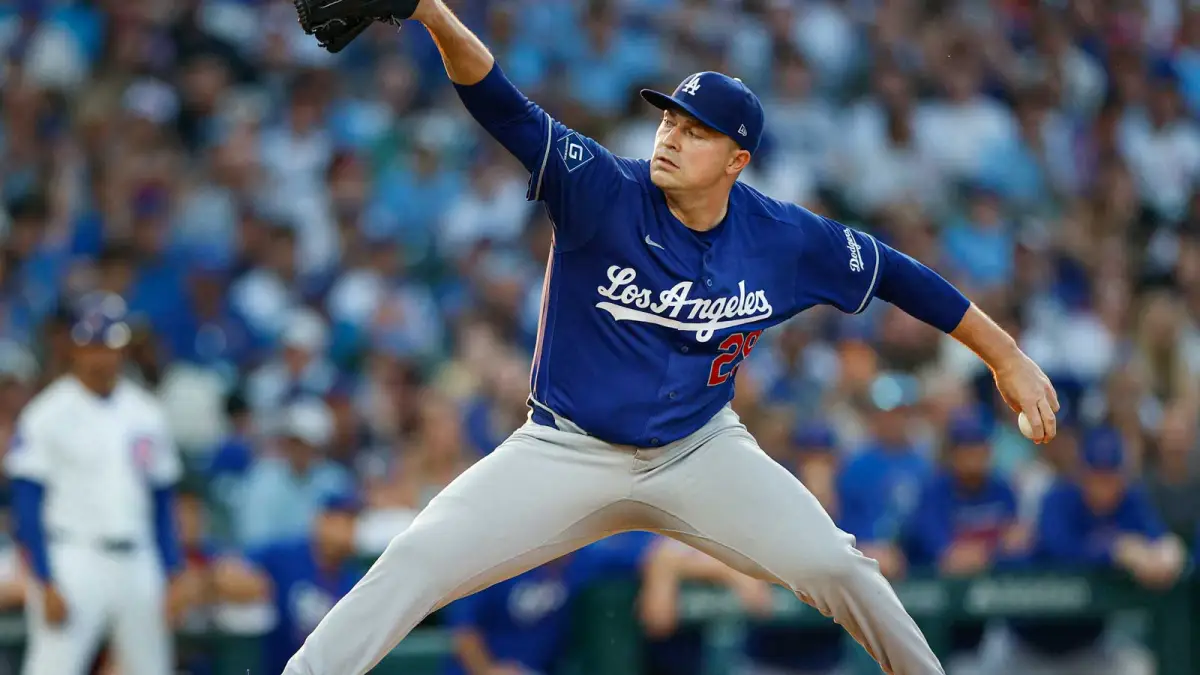
General Managers around MLB are focusing on specific targets at the trade deadline rather than taking a broad approach.
The trade deadline has now come and passed in Major League Baseball. With the dust settling and players making their team debuts, it is time to reflect on what happened. More specifically, front offices are shifting their strategy as to who to trade for, and how much they are willing to give up.
Every MLB team has needs, whether that’s boosting the big-league club right now, or beefing up the farm system depth for the future. But more to the point, every team looks to boost specific positions on the field or player types throughout the minors. The big winners at this year’s trade deadline are the organizations who stayed focused and ensured they improved in their biggest areas of need.
Pitching and More Pitching
Most of the biggest moves this week revolved around starting pitching, the most common need. And boy, did many contenders go out of their way to acquire starters. The Chicago Cubs, who have been ravaged by injury on the mound, traded for three capable MLB starting pitchers. On the West Coast, the San Diego Padres traded for two prominent veterans to bulk up a thin rotation. And of course, the Los Angeles Dodgers traded for the only pitcher who can improve their roster.
Those three teams are clear winners, but other contenders did not come out of the deadline so hot. The Atlanta Braves really needed a number two starter but only managed a couple of back-end guys. Even so, adding innings eaters will help them down the stretch. The Milwaukee Brewers and Tampa Bay Rays are the big losers for not getting Tarik Skubal, but they still pivoted to acquire other starters.
Unlike last deadline, where reliever blockbusters ruled the day, plenty of teams traded for bullpen help without breaking the bank. The Pittsburgh Pirates got four relievers without giving up any top prospects, and the Minnesota Twins improved a thin unit without giving up much, either. Even good pitchers with an extra year of team control apparently didn’t excite contenders, as RPs Huascar Brazoban and Luke Weaver went for less than I expected.
Unusual Bats
There were relatively few prominent position players traded Monday, and many of them went to teams who really need them more than the average one would. The Rays have not had a starter-quality catcher in many years, so C/1B Liam Hicks is a huge upgrade, even though he is not a great defender. Meanwhile, 2B Luis Arraez brings some much-needed contact ability to the boom-or-bust Philadelphia Phillies. They had to reconfigure their defense to fit him in at the keystone, but how much worse can the worst defense be?
The infielders are offensive upgrades, but outfielders moved at the deadline are all defensive standouts. OFs Daulton Varsho, Tyrone Taylor, and Brenton Doyle are all excellent centerfielders with inconsistent success at the plate. Varsho easily improves the desperate Houston Astros on the grass, while Taylor can bounce to a corner alongside OF Pete Crow-Armstrong. Doyle is possibly the most extreme player in the league, and leaving spacious Coors for the cozy Rate should improve his already great range.
These kinds of players with one elite tool but not much else have limited utility, but the teams that traded for them really need that standout skill. Another example is OF Lars Nootbaar, as his on-base skills help an Arizona Diamondbacks team getting nothing out of left more than they would for other contenders. Teams putting in winning bids this deadline did so because they had to, not because they wanted to.
Prospect Types
From the seller perspective, it seems like front offices targeted specific weaknesses in their own farm systems rather than acquiring the best players possible. Teams like the Baltimore Orioles, Washington Nationals, and Colorado Rockies, who have struggled to develop big-league pitching contributors, heavily emphasized pitching in trades. In SP Anthony Eyanson, The O’s got arguably the best pitcher changing hands, and he could join the rotation as soon as next season. The Detroit Tigers also targeted high-end pitching in their returns, namely SPs River Ryan and Kash Mayfield.
On the field, other sellers pursued more upside than sure things, the eternal ceiling versus floor dichotomy. The Los Angeles Angels went in a new direction by trading someone with team control for a very risky and exciting hitter in SS Arjun Nimmala. In the return for Hicks, the Marlins received polar opposite hitters, a contact-only middle infielder and a power-hitting third baseman. Both styles fit Miami’s broader strategy of creating a lineup with more variety. The New York Mets have had a down year for farmhands, so they restocked the pitching supply to try again in 2027.
I think this will be a new trend going forward, where front offices narrow their focus to specific positions and traits rather than casting a wide net at the trade deadline.

Featured Articles





Featured Writers