Professional wrestling has always celebrated perseverance.
Fans admire the athletes who fight through injuries, overcome setbacks, and refuse to give up on their dreams. Championship victories, unforgettable matches, and career-defining moments are often what make wrestlers legends.
But sometimes the most powerful story isn’t told through a championship reign or a five-star classic.
Sometimes it’s told through honesty.
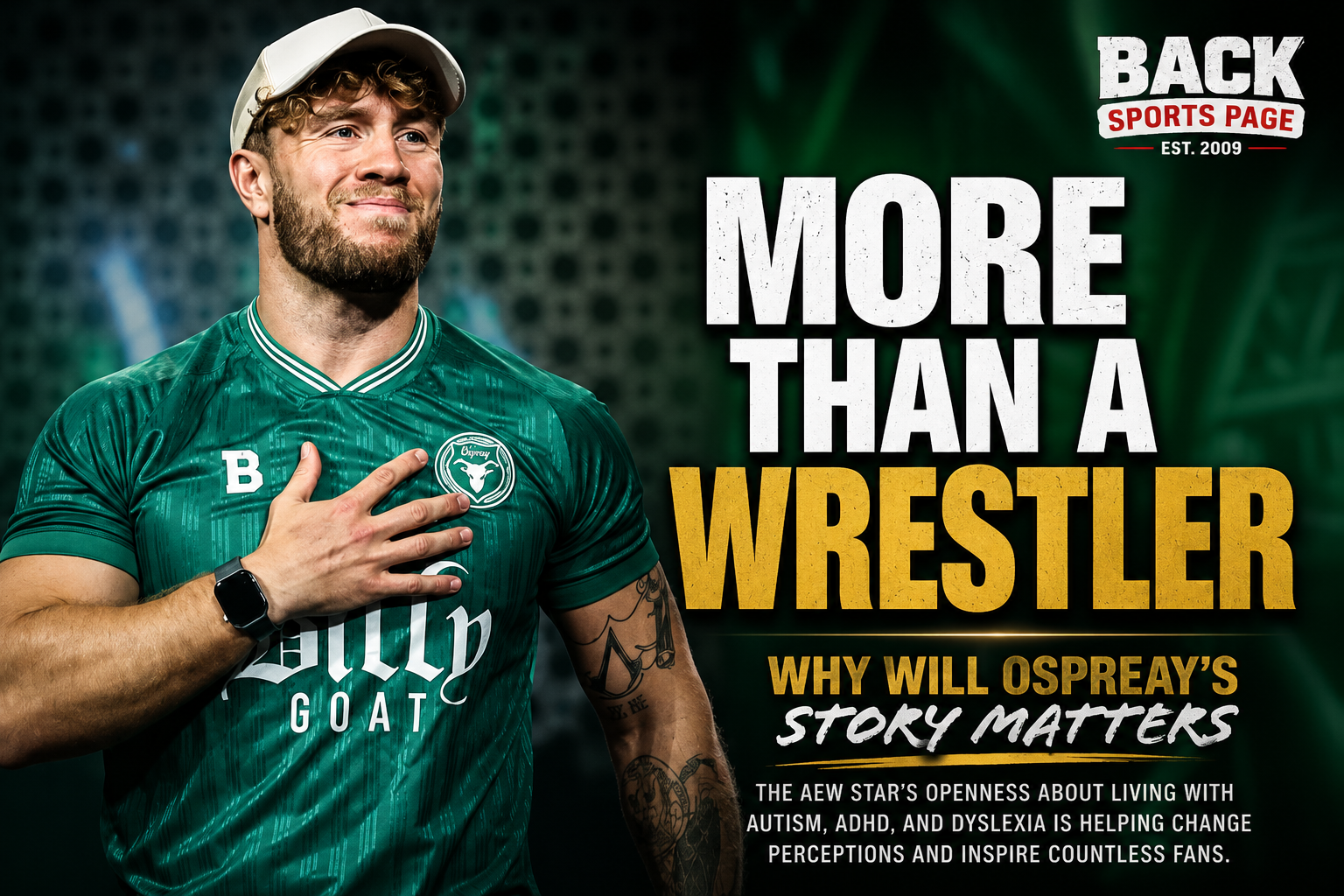
All Elite Wrestling star Will Ospreay has built a reputation as one of the greatest in-ring performers of his generation. Whether competing in front of sold-out arenas or headlining pay-per-view events around the world, Ospreay has consistently pushed the limits of what fans believe is possible inside a wrestling ring.
His speed, athleticism, creativity, and fearless style have earned him worldwide respect.
Yet one of the most important things Ospreay has ever done happened away from the spotlight of competition.
He chose to tell the world who he really is.
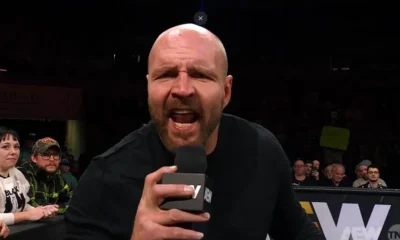
During an appearance on Hey! (EW), Ospreay openly discussed living with autism, ADHD, and severe dyslexia. It wasn’t a promotional interview or an attempt to create headlines. It was a sincere conversation about the challenges he has faced throughout his life and how those experiences helped shape the person he is today.
“In the school system, I didn’t find out a lot about myself until after I left. So I wasn’t afforded the extra time…there were so many things in my education that I really needed help on, and I didn’t get that help.”
That statement speaks to an experience shared by many people who are neurodivergent.
For years, children with autism, ADHD, dyslexia, and other learning differences often went undiagnosed or misunderstood. Instead of receiving support, many were labeled as distracted, lazy, or not trying hard enough. In many cases, they simply learned differently from what the traditional classroom allowed.
Ospreay’s story is a reminder that intelligence and potential aren’t measured by how someone performs in a standard educational setting.
Perhaps the most emotional moment of the interview came when he spoke about signing with AEW.
“I’m super dyslexic. I can’t read. I had to have someone f***ing read my contract out for me.”
Imagine that moment.
After spending years chasing his dream, Ospreay was handed one of the most important contracts of his life—and because of his dyslexia, he needed someone else to read it to him.
For many people, admitting something so deeply personal would feel overwhelming.
Ospreay admitted exactly that.
“So it’s super embarrassing, man. It really is.”
That vulnerability may have been more courageous than anything he’s ever done from the top rope.
In sports, athletes are often expected to appear fearless and invincible. Fans see confidence, strength, and success, but they rarely see the internal battles that shaped the journey.
By sharing his story, Ospreay reminded people that even world-class athletes face challenges that aren’t always visible.
What makes his perspective especially powerful is that he doesn’t define himself by his diagnoses.
Instead, he embraces them.
Ospreay has spoken about viewing his neurodivergence as a superpower—not because autism, ADHD, or dyslexia are easy, but because they have helped shape his creativity, focus, passion, and determination.
Those same qualities are visible every time he steps into the ring.
His matches are unlike anyone else’s. His ability to innovate, adapt, and think differently has become one of the defining characteristics of his career. While every person’s experience with neurodivergence is unique, Ospreay believes his mind works differently in ways that have helped him become the performer fans admire today.
He summed it up perfectly.
“I feel like I’ve got to the point where I am because of all these things that make me who I am, and I want to inspire people.”
That may be the most important sentence in the entire interview.
Because this story isn’t really about wrestling.
It’s about possibility.
Every day, there are children sitting in classrooms wondering why learning seems harder for them than everyone else. There are parents searching for answers after a diagnosis. There are teenagers questioning whether they’ll ever be accepted. There are adults who spent years believing they simply weren’t good enough before finally understanding how their brains worked.
For those people, seeing someone like Will Ospreay succeed matters.
Representation has the power to replace doubt with hope.
When a child sees one of the world’s best professional wrestlers openly discussing autism, ADHD, and dyslexia without shame, it sends a message that no diagnosis can erase someone’s potential.
Ospreay also acknowledged another reality that many families still face.
“A lot of people don’t take risks on people that have autism around my area, and I would like to hope that seeing me doing this stuff, it does inspire other people.”
Unfortunately, those words still ring true in many communities.
Too often, people are judged by assumptions instead of abilities. Opportunities are sometimes withheld because someone learns, communicates, or processes information differently. Those barriers don’t just exist in schools—they can exist in workplaces, sports, and everyday life.
Stories like Ospreay’s challenge those assumptions.
They remind us that talent isn’t limited by a diagnosis.
Potential isn’t limited by a diagnosis.
Dreams certainly aren’t limited by a diagnosis.
Professional wrestling has always been about creating heroes.
Sometimes those heroes inspire us through championships.
Sometimes they inspire us through unforgettable matches.
And sometimes they inspire us simply by being honest about who they are.
Will Ospreay didn’t have to tell the world about his autism, ADHD, or dyslexia.
He chose to.
In doing so, he gave countless fans permission to embrace their own journeys without shame.
His greatest legacy may never be measured by championships, five-star matches, or main-event moments.
It may be measured by every young person who watches his story unfold and realizes that being different doesn’t mean being less.
Sometimes, being different is exactly what allows you to become extraordinary.

Featured Articles






Featured Writers