There is a conversation surrounding All Elite Wrestling that has become increasingly difficult to ignore. Despite producing some of the best professional wrestling on television, attracting major crowds, expanding its international presence and reporting significant business growth, AEW continues to find itself defending decisions made years ago. The promotion is enjoying what could arguably be its most successful period since its creation, yet the discussion surrounding the company often returns to the same controversies that once threatened to derail its momentum.
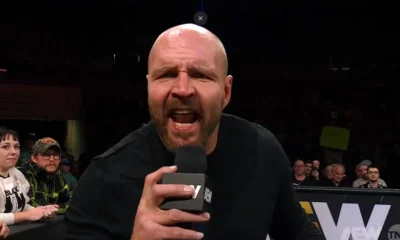
MJF recently addressed that very issue, arguing that many of AEW’s critics continue to hold the company’s past mistakes against it rather than paying attention to what is happening on television today. His argument deserves consideration, particularly when examining the quality of the current product. However, there is another side to the conversation that AEW and its supporters need to recognize: a company cannot expect its audience to forget its history simply because its present is considerably better.
The reality is that both arguments can be true. AEW has made tremendous progress, but the decisions that shaped its reputation are still part of its story.
The Mistakes That Created the Narrative
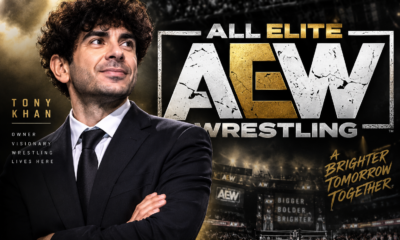
When AEW launched in 2019, the excitement surrounding the promotion was enormous. Tony Khan had assembled a collection of talented performers, established relationships with major names in the wrestling industry and presented an alternative to WWE that appealed to fans looking for something different. The early success was built around the idea that AEW could provide an environment where wrestlers had opportunities, creative freedom and the ability to deliver a different style of professional wrestling.
However, the company eventually learned that building a wrestling promotion requires considerably more than signing talented performers and producing great matches. Managing personalities, maintaining locker-room relationships, establishing creative direction and making difficult business decisions are equally important.
The Brawl Out controversy in 2022 became one of the most damaging moments in AEW’s history. The backstage confrontation involving CM Punk, Kenny Omega and The Young Bucks created a distraction that extended far beyond one incident. Instead of discussing the company’s wrestling, fans and media were consumed by backstage politics, suspensions, investigations and questions about the leadership of the promotion. It reinforced a narrative that AEW struggled to manage its locker room, and the company spent considerable time trying to move beyond that perception.
There were also questions surrounding roster management and certain high-profile signings that never developed into the successes many anticipated. Having an enormous collection of talent is an advantage only when there is a clear creative direction and meaningful opportunities for those performers. At different points, AEW appeared to have more wrestlers than it knew what to do with, creating frustrations about television time, character development and the company’s priorities.
Then there were the departures. Cody Rhodes, CM Punk and Jade Cargill are among the recognizable names who eventually made their way to WWE, providing the company’s biggest competitor with talent that had previously been part of AEW’s identity. Losing performers is an unavoidable part of professional wrestling, but when a promotion positions itself as an alternative to WWE, watching recognizable names leave for that same company creates an uncomfortable narrative.
AEW also became heavily involved in the perception of a television ratings war, particularly during the Wednesday night competition with WWE NXT. The desire to compete is understandable, but there were periods when the conversation surrounding AEW seemed more focused on what WWE was doing than on the company’s own identity. Those distractions, combined with the controversies and departures, created an impression that AEW was constantly fighting battles outside the wrestling ring.
That history matters, and pretending otherwise would be dishonest.
MJF’s Argument Has Merit
MJF’s frustration with critics is understandable because the AEW being presented in 2026 is not necessarily the same promotion that fans were discussing during its most turbulent periods.
The current product has delivered consistently impressive in-ring performances, with a roster capable of producing technical wrestling, high-impact matches, compelling rivalries and major pay-per-view attractions. The depth of the roster provides opportunities for different styles and matchups, while the company’s relationship with international promotions has helped maintain a broader wrestling identity.
In his May appearance on The Ariel Helwani Show, MJF defended AEW’s current output, arguing that the promotion has the best wrestling on television and that some of its critics are relying on an outdated perception of the company. He acknowledged that AEW previously gave people legitimate reasons to criticize it, but believes the current product has moved beyond those problems.
That is an important distinction. There is a difference between someone watching Dynamite, Collision and the pay-per-view events and offering criticism of the booking, storytelling or individual performances, and someone dismissing the entire company without paying attention to its programming. The former is legitimate criticism; the latter risks becoming an opinion that is no longer connected to the actual product.
AEW should welcome criticism, but it also deserves credit when it gets things right. In 2026, the wrestling has given fans plenty of reasons to take the promotion seriously.
The Business Is Telling a Different Story
Perhaps the strongest evidence that AEW is moving in the right direction comes from the company’s business performance. In May 2026, Tony Khan revealed that AEW’s revenue had reached its highest level ever and described its financial outlook as the strongest in company history. He also discussed reinvesting in the business, developing new projects and pursuing international expansion. While Khan did not disclose whether the company was profitable, the revenue announcement represented an encouraging development for a promotion that has spent years establishing its place in the wrestling industry.
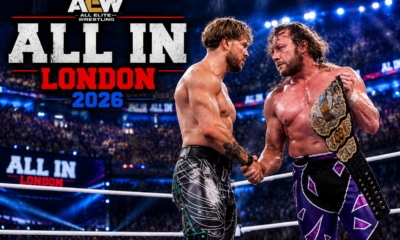
The international success has been particularly impressive. Wembley Stadium has become one of AEW’s most important venues, and the company’s relationship with London has produced some of its biggest attendance and gate records. Ahead of All In in August, Khan noted that the top three gates and attendance figures in AEW history came from Wembley, with four of the company’s top five or six gates coming from London. All In 2026 approached a $6 million gate, reinforcing the importance of the international market to AEW’s continued growth.
These accomplishments deserve to be part of the conversation whenever the company’s overall success is discussed. AEW is not simply surviving as an alternative to WWE; it is demonstrating an ability to draw substantial crowds, generate significant revenue and establish major international events.
The company’s television and streaming future also presents an opportunity. The addition of HBO Max has expanded the ways fans can watch AEW programming, while Khan has pointed toward the potential benefits of the proposed Paramount+ and HBO Max bundle. Following improved Dynamite viewership, he has emphasized that traditional television numbers do not represent the entire audience when streaming viewers are also considered.
The next media rights agreement will be particularly important. AEW’s current domestic agreement runs through 2027, and Khan addressed the subject during the November Full Gear media call. He indicated that formal negotiations were not yet underway, explaining that there was still considerable time remaining on the current agreement. His comments reflected an approach centered on continuing to deliver a strong product rather than chasing executives for a contract discussion.
As reported by Fightful, Khan also sees the potential Paramount and HBO Max relationship as an opportunity to increase AEW’s audience. The company’s ability to translate its current momentum into a favorable long-term media agreement will be an important measure of its continued growth.
A Different Approach to the Wrestling Business
Another encouraging development has been AEW’s willingness to develop relationships beyond its own television programming. Its partnership with New Japan Pro-Wrestling has evolved considerably from the early tensions and competitive dynamics that existed during AEW’s first years. Khan’s enthusiasm about AEW talent participating in Wrestle Kingdom demonstrates how international partnerships can benefit the wrestling industry rather than forcing every promotion into a competitive relationship.
There has also been an emphasis on protecting the roster. Khan reiterated during the October WrestleDream media scrum that AEW has no intention of running house shows every other night, citing the importance of wrestler health. Considering the physical demands of the company’s matches, maintaining a schedule that allows performers to recover is an important part of protecting the product itself.
These may not generate the same headlines as a major signing or a pay-per-view announcement, but they represent the type of long-term decisions that can help establish a more sustainable business.
AEW Doesn’t Need to Be WWE
One of the biggest mistakes AEW could make moving forward is continuing to measure its success exclusively against WWE. The two companies have different histories, different resources and different approaches to professional wrestling. AEW was created as an alternative, and its greatest strength has always been its ability to provide something different.
The company doesn’t need to win every ratings comparison, sign every available free agent or respond to every WWE announcement. It needs to concentrate on developing its own performers, producing compelling television and making its major events feel important. The 2026 business numbers suggest that there is an audience for that approach, and the quality of the wrestling provides a strong foundation for continued growth.
That doesn’t mean AEW is beyond criticism. Questions about storytelling, roster utilization, character development and consistency remain fair topics of discussion. A great match cannot automatically compensate for a poorly developed storyline, just as a successful pay-per-view gate doesn’t guarantee that every creative decision is working. The challenge for Khan is to make sure the quality of the in-ring product is supported by equally strong presentation and long-term planning.
The Verdict: The Past Cannot Define the Future
MJF has a legitimate point when he argues that AEW should be judged on the product it is delivering today. The company has made considerable progress, and its 2026 accomplishments should not be dismissed because of controversies from previous years. Its wrestling has been excellent, its financial outlook is encouraging, and its international presence continues to provide opportunities that were difficult to imagine when the promotion first launched.
However, AEW must also understand that reputations are not rebuilt overnight. Brawl Out, questionable signings, significant departures and years of unnecessary distractions helped create the skepticism that still surrounds the company. Those memories are part of its history, and the best way to move beyond them is not to dismiss the criticism but to consistently demonstrate that the lessons have been learned.
Ultimately, AEW doesn’t need critics to forget what happened. It needs to give them a reason to acknowledge what is happening now. The company has an opportunity to turn a banner year into the foundation of a much stronger future, but that requires consistency in the ring, stability behind the scenes and smart decisions at the executive level.
AEW has spent years proving that it can compete. In 2026, it is showing that it can grow. The next challenge is proving that it has learned enough from its past to sustain that success.

Featured Articles


Featured Writers